


Content Menu
● Introduction to Wood BBQ Scrapers
● How to Use a Wood BBQ Scraper
>> Step 3: Maintain Your Scraper
● Making Your Own Wood BBQ Scraper
● Advanced Techniques for Better Cleaning
>> Using Different Scraping Techniques
>> Combining with Other Cleaning Tools
● Choosing the Right Wood for Your Scraper
● Troubleshooting Common Issues
>> Scraper Not Forming Grooves
>> Scraper Becoming Too Charred
● Comparison with Other Cleaning Tools
>> Grill Stones
● FAQ
>> 1. What Types of Wood Are Best for BBQ Scrapers?
>> 2. How Do I Clean My Wood BBQ Scraper?
>> 3. Can I Use a Wood Scraper on Any Grill Type?
>> 4. How Long Does It Take for the Scraper to Form Grooves?
>> 5. Do I Need to Apply Any Treatments to My Wood Scraper?
Wood BBQ scrapers have become increasingly popular due to their safety and effectiveness in cleaning grill grates. Unlike metal brushes, which can leave behind loose bristles that pose a health risk, wooden scrapers are a safer alternative. In this article, we will explore how to use a wood BBQ scraper effectively and maintain it for long-term use.
Wooden BBQ scrapers are made from various types of wood, including hardwoods like hickory and oak, and softwoods like cedar. Hardwoods are more durable and resistant to heat, making them ideal for frequent grill cleaning. Softwoods, while less durable, are still effective and often more affordable.
One of the primary advantages of wooden scrapers is their safety. Metal brushes can shed bristles, which can then be ingested, causing serious health issues. Wooden scrapers eliminate this risk, providing a safe and natural cleaning solution.
Wooden scrapers are also more environmentally friendly. They are often made from sustainably sourced wood and do not contain any harmful chemicals or materials.
Using a wood BBQ scraper is straightforward and requires some initial setup to ensure it fits your grill perfectly.
1. Heat Up Your Grill: Before using the scraper, ensure your grill is hot. This helps form grooves in the wood more efficiently.
2. Position the Scraper: Place the scraper on the grill grates, aligning it with the grates' pattern. Hold it at a slight angle to ensure even contact.
1. Apply Pressure: Gently push the scraper back and forth along the grates. This action will start forming grooves in the wood, customizing it to your grill's shape.
2. Repeat the Process: Continue scraping until you notice distinct grooves forming. This may take a few uses.
1. Cleaning: After each use, simply wipe off any charred debris with a damp cloth. Avoid soaking the scraper in water.
2. Optional: Apply Mineral Oil: Periodically applying mineral oil can help preserve the wood and enhance its appearance.
- Patience is Key: The first few uses may not yield perfect results, but with time, the scraper will become more effective.
- Use on Various Grills: Wooden scrapers are compatible with different grill types, including gas, charcoal, and infrared grills.
If you're crafty, you can make your own wooden scraper using scrap wood. Here's a simple guide:
- Wood: Choose a durable wood like oak or cedar.
- Tools: Bandsaw, drill, sandpaper, and mineral oil.
1. Cut the Wood: Use a bandsaw to cut the wood into the desired shape and size.
2. Sand the Edges: Smooth out the edges with sandpaper to prevent splinters.
3. Apply Mineral Oil: Treat the wood with mineral oil to protect it from moisture.
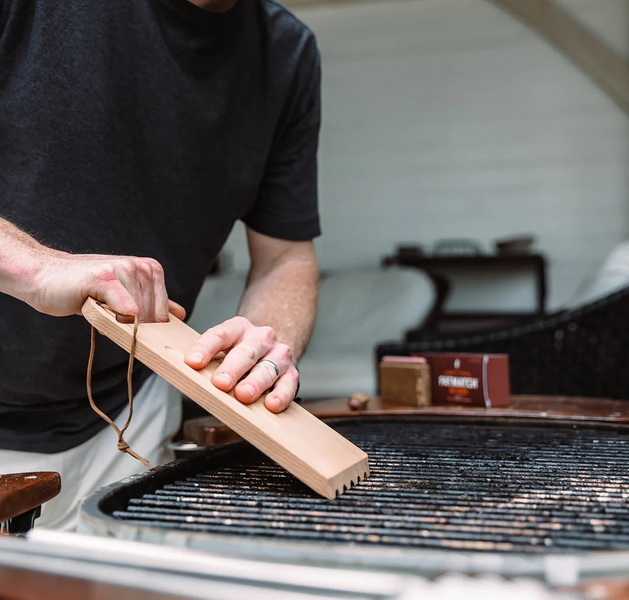
- Back and Forth Motion: This is the most common method, effective for removing large debris.
- Circular Motion: Useful for cleaning intricate grill patterns or stubborn stains.
- Wire Brush for Tough Stains: If there are stubborn stains, use a wire brush first, then follow up with the wooden scraper for a smooth finish.
- Grill Stone for Deep Cleaning: For a deeper clean, use a grill stone to remove stubborn grime before using the scraper.
- Hardwoods: More durable and resistant to heat. Ideal for frequent use.
- Softwoods: Less durable but still effective. Often more affordable.
- Hickory: Known for its strength and durability.
- Oak: Offers a good balance between durability and affordability.
- Cedar: Softwood option that is aromatic and less expensive.
- Store your scraper in a dry place to prevent moisture damage.
- Consider hanging it near your grill for easy access.
- Regularly apply mineral oil to protect the wood.
- Avoid exposing the scraper to extreme temperatures.
- Avoid Using on Extremely Hot Grills: While wooden scrapers are heat-resistant, using them on extremely hot grills can cause them to char or crack.
- Keep Out of Reach of Children: Ensure the scraper is stored safely to prevent accidents.
- Check Grill Temperature: Ensure the grill is hot enough.
- Adjust Scraper Angle: Make sure the scraper is at the right angle for optimal contact.
- Clean Regularly: Regular cleaning can prevent excessive charring.
- Apply Mineral Oil: Helps protect the wood from charring.
- Safety Concerns: Metal brushes can shed bristles, posing a health risk.
- Durability: Generally more durable than wooden scrapers but less safe.
- Deep Cleaning: Effective for removing stubborn grime.
- Combination Use: Often used in conjunction with wooden scrapers for a thorough clean.
Wood BBQ scrapers offer a safe, efficient, and environmentally friendly way to clean grill grates. By following the simple steps outlined above, you can effectively use and maintain your wooden scraper for years to come.
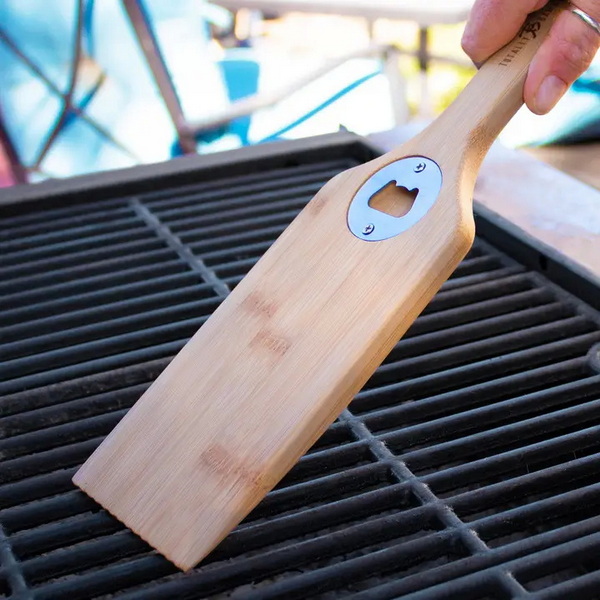
Here are some frequently asked questions about using wood BBQ scrapers:
Hardwoods like hickory and oak are more durable and suitable for frequent use. Softwoods like cedar are also effective but less durable.
Simply wipe off any charred debris with a damp cloth. Avoid soaking the scraper in water to maintain its durability.
Yes, wooden scrapers are compatible with various grill types, including gas, charcoal, and infrared grills.
The grooves start forming during the first use, but it may take a few uses for them to become pronounced.
Periodically applying mineral oil can help preserve the wood and enhance its appearance.