


Content Menu
>> 4. Sew or Secure Edges (Optional)
● Benefits of Using a Grill Mat
● Tips for Using Your Grill Mat Effectively
● Common Mistakes When Using Grill Mats
● Creative Uses for Your Grill Mat
>> 1. What materials are best for making a grill mat?
>> 2. Can I use my grill mat on any type of grill?
>> 3. How do I clean my grill mat?
>> 4. What temperature can my grill mat withstand?
>> 5. Is it safe to leave my grill mat on while grilling?
Grilling is a beloved pastime for many, whether you're cooking up burgers in the backyard or preparing a feast for friends and family. One essential accessory that can enhance your grilling experience is a grill mat. This article will guide you through the process of making your own grill mat, ensuring you have a safe and effective surface for grilling.
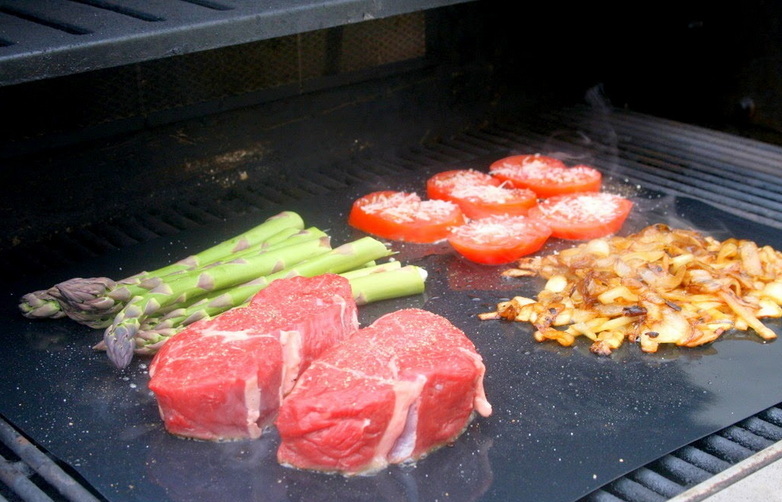
A grill mat is a protective layer placed on the grill grates or under the grill to prevent food from falling through, protect surfaces from grease, and make cleanup easier. They are typically made from heat-resistant materials that can withstand high temperatures while providing a non-stick surface for cooking.
To create your own grill mat, you'll need the following materials:
- PTFE-coated fiberglass fabric: This is the primary material used for making grill mats due to its heat resistance and non-stick properties.
- Scissors: For cutting the fabric to your desired size.
- Measuring tape: To measure the dimensions of your grill.
- Marker or fabric chalk: For marking where to cut.
- Sewing machine (optional): If you want to add edges or reinforce the mat.
- Heat-resistant adhesive (optional): For securing edges if sewing isn't an option.
Start by measuring the dimensions of your grill grates. This will help you determine how large to cut your grill mat. Make sure to measure both the length and width accurately, as a snug fit will enhance performance.
Using scissors, cut the PTFE-coated fiberglass fabric to the size of your grill grates. It's advisable to add an extra inch on each side to ensure complete coverage. This extra material will help prevent any food from slipping off the edges during grilling.
If you want to reinforce the edges of your mat, use a marker or fabric chalk to mark where you will sew or apply adhesive. This step is particularly important if you plan on using your mat frequently, as it will help maintain its durability.
If using a sewing machine, sew around the edges of the mat to prevent fraying. Alternatively, apply heat-resistant adhesive along the edges for a clean finish. This step not only enhances durability but also gives your mat a professional look.
Before using it for grilling, test your mat by placing it on the grill and heating it up to ensure it can withstand high temperatures without damage. Monitor it closely during this test to check for any signs of melting or degradation.
Once your grill mat is ready, simply place it on top of your grill grates before cooking. The non-stick surface allows food to cook evenly without sticking, and it also catches any drips or grease, making cleanup much easier.
- Prevents Food from Falling Through: Ideal for small items like vegetables or fish that might fall through traditional grates.
- Easy Cleanup: Simply wipe down or wash the mat after use instead of scrubbing the grill grates.
- Protects Surfaces: When used under a grill, it protects wooden decks or patios from grease stains and burns.
- Versatile Cooking Surface: Grill mats can also be used in ovens or microwaves, allowing for greater flexibility in cooking methods.
- Enhances Flavor: The non-stick surface allows for even cooking while retaining juices and flavors in meats and vegetables.
1. Preheat Your Grill: Always preheat your grill before placing your mat on it. This ensures that it adheres properly and helps with even cooking.
2. Avoid Direct Flames: While grill mats are heat-resistant, they should not be placed directly over flames as this can cause damage. Instead, place them over indirect heat zones.
3. Use Medium Heat: For best results, use medium heat when grilling with your mat. High temperatures can cause wear over time.
4. Avoid Sharp Utensils: Use silicone or wooden utensils when cooking on your mat to avoid scratching its surface.
5. Store Properly: After cleaning, store your grill mat flat or rolled up in a cool dry place away from direct sunlight to prolong its lifespan.

While grill mats are incredibly useful tools for grilling enthusiasts, there are some common mistakes that users often make:
1. Not Cleaning Properly: Failing to clean the mat after each use can lead to buildup that affects its non-stick properties over time.
2. Using Too Much Oil: While some oil can help prevent sticking, too much oil can create smoke and flare-ups, which are counterproductive when using a grill mat.
3. Ignoring Temperature Guidelines: Each grill mat has specific temperature limits; exceeding these can lead to damage and potential safety hazards.
4. Using on Open Flames: As mentioned earlier, placing mats directly over open flames can cause them to melt or burn.
5. Not Testing Before Use: Skipping the testing phase can lead to unexpected results during grilling sessions—always ensure your mat is safe before use!
To ensure that your homemade grill mat lasts for many grilling seasons, follow these maintenance tips:
1. Regular Cleaning: After each use, allow the mat to cool down before cleaning it with warm soapy water and a soft sponge. Avoid abrasive cleaners that could scratch its surface.
2. Drying Properly: Ensure that you dry the mat completely before storing it away to prevent mold growth or deterioration of materials.
3. Inspecting for Damage: Regularly check for any signs of wear and tear such as holes or melting spots; replace as needed to maintain safety during grilling.
4. Avoiding High Heat Settings: Stick to recommended temperature settings when using your mat; this helps prevent damage over time and extends its lifespan.
5. Using Protective Covers: If you store your grill outside, consider using protective covers for both your grill and mats when not in use; this helps shield them from weather elements that could cause deterioration.
Grill mats aren't just limited to traditional grilling! Here are some creative ways you can utilize them:
1. Baking in Ovens: Use your grill mat as a baking sheet liner; its non-stick properties work well in ovens too!
2. Cooking in Air Fryers: Cut smaller pieces of your grill mat for use in air fryers; they provide similar benefits by preventing food from sticking while allowing air circulation.
3. Picnic Blanket Protection: Lay down a clean grill mat under picnic foods at outdoor gatherings; it protects surfaces from spills while providing an easy cleanup afterward!
4. Craft Projects: Use leftover pieces of PTFE fabric for various craft projects where heat resistance is beneficial—like making coasters!
5. Camping Companion: Bring along your grill mat when camping; it's perfect for outdoor cooking setups and protects surfaces from hot pots and pans!
Making your own grill mat is a straightforward process that enhances your grilling experience by providing a versatile cooking surface that is easy to clean and maintain. With just a few materials and some simple steps, you can create a custom grill mat that fits perfectly with your grilling setup.
By following this guide and utilizing tips for effective use, you'll enjoy delicious grilled meals while protecting both your food and grilling equipment from unwanted messes and damage. Whether you're hosting summer barbecues or enjoying quiet evenings with family meals outdoors, having a reliable grill mat will elevate every grilling experience!

The best materials for making a grill mat are PTFE-coated fiberglass fabric due to its heat resistance and non-stick properties.
Yes, grill mats can be used on charcoal, gas, and electric grills as long as they are made from heat-resistant materials.
You can clean your grill mat by wiping it down with warm soapy water or placing it in the dishwasher if it's dishwasher-safe.
Most PTFE-coated mats can withstand temperatures up to 500 degrees Fahrenheit without damage.
Yes, as long as you ensure that it is made from heat-resistant materials specifically designed for grilling applications.