
Views: 222 Author: Panda Publish Time: 2025-03-12 Origin: Site


Content Menu
● Introduction to Grill Brushes
● Methods for Cleaning a Grill Brush
>> 3. Deep Cleaning with Another Brush
>> 5. Using Oven Cleaner (The Nuclear Option)
● Choosing the Right Grill Brush for Your Grill Type
>> Cast Iron and Enameled Grates
● Alternative Cleaning Methods for Grill Grates
>> Baking Soda and Water Paste
>> Citrusafe and Steel Pot Scrubber
● Common Mistakes to Avoid When Cleaning Grill Brushes and Grates
>> 3. Not Cleaning Surrounding Areas
● FAQ
>> 1. How Often Should I Clean My Grill Brush?
>> 2. Can I Use a Wire Brush for Delicate Grill Surfaces?
>> 3. How Do I Prevent Rust on My Grill Brush?
>> 4. What Are the Risks of Using a Wire Grill Brush?
>> 5. Can I Use Oven Cleaner on All Types of Grill Brushes?
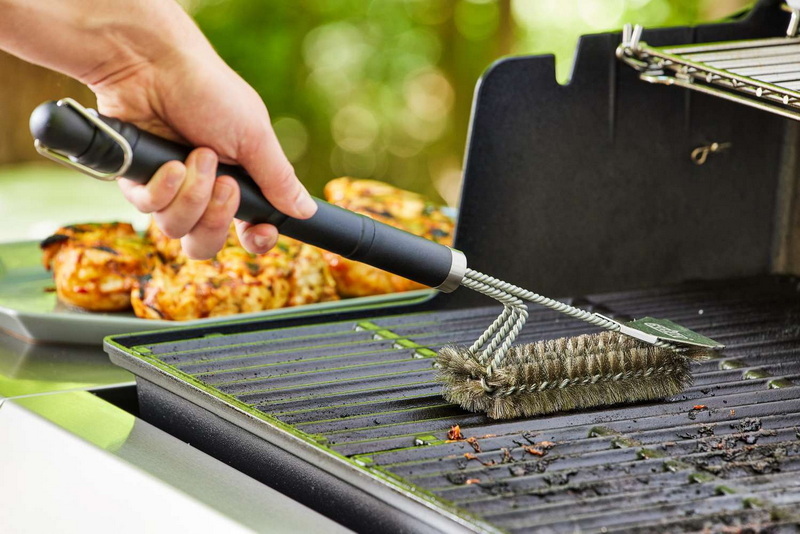
Cleaning a grill brush is an essential part of maintaining your grill's hygiene and ensuring that your food is free from debris and bacteria. A dirty grill brush can spread grease and food residue onto your grill grates, which not only affects the taste of your food but also poses health risks. In this article, we will explore the best methods for cleaning a grill brush and provide tips on how to maintain it effectively.
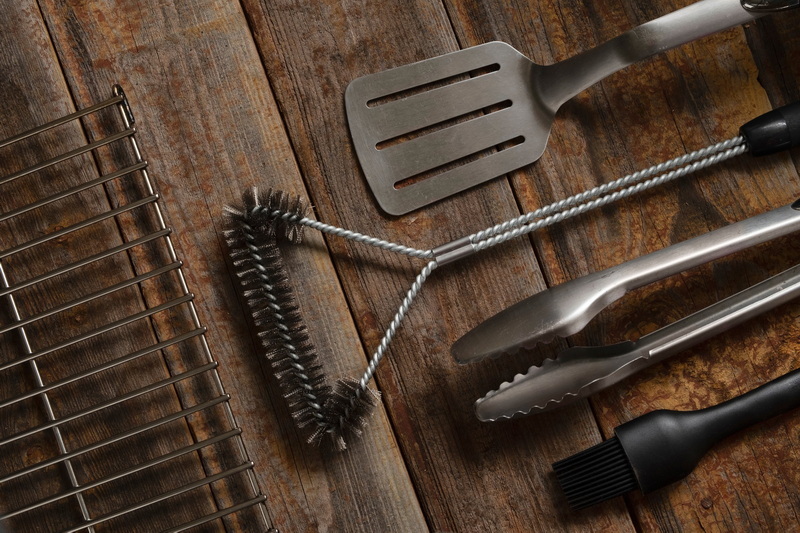
Grill brushes are designed to remove food particles and carbon buildup from grill grates. They typically come with wire or nylon bristles, each with its own set of cleaning challenges. Wire brushes are effective for tough grime but can be hazardous if bristles break off and get into food. Nylon brushes are safer but may not be as effective for heavy-duty cleaning.
- Wire Bristle Brushes: These are the most common type and are effective for cleaning grill grates. However, they pose a risk of bristles breaking off and contaminating food.
- Nylon Bristle Brushes: These are safer alternatives to wire brushes and are suitable for delicate grill surfaces.
After each use, remove loose debris by banging the brush against a hard surface. This method is effective for maintaining the brush's cleanliness and preventing the buildup of grime.
For a deeper clean, soak the brush in hot soapy water. This helps loosen grease and food particles stuck in the bristles.
1. Fill a bucket with hot water and add dish soap.
2. Submerge the grill brush and let it soak for about 30 minutes.
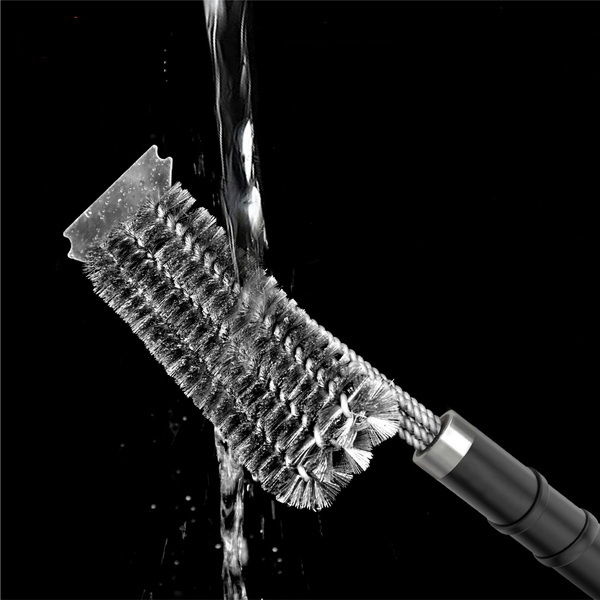
3. Use a hose or faucet to rinse the brush thoroughly.
4. Shake the brush to remove excess water and prevent rust.
If the brush is heavily soiled, use another clean brush to scrub the bristles gently. This helps dislodge stubborn grime.
For a more intense cleaning, boil the brush in water. This method is effective for removing stubborn grease.
1. Fill a large pot with enough water to submerge the brush.
2. Bring the water to a boil.
3. Place the brush in the boiling water for about 15 minutes.
4. Remove and rinse the brush with hot soapy water if necessary.
This method is for extremely dirty brushes and should be used with caution.
1. Wear protective gloves and eyewear.
2. Apply oven cleaner to the brush and let it sit for about 15 minutes.
3. Rinse thoroughly and perform a deep cleaning afterward.
When using wire brushes, there's a risk of bristles breaking off and contaminating food. To avoid this:
- Inspect the Brush: Regularly check for loose or damaged bristles.
- Replace the Brush: If the brush shows significant wear, replace it.
- Use Alternative Cleaning Tools: Consider using nylon brushes, cloths, or aluminum foil balls for safer cleaning.
- Store Properly: Keep the brush in a dry place to prevent rust.
- Clean Regularly: Clean the brush after each use to prevent bacterial growth.
- Avoid Heat: Never leave the brush on a hot grill.
The type of grill brush you use can significantly impact the cleaning effectiveness and safety of your grill. Here are some guidelines for choosing the right brush:
- Steel Brushes: These are suitable for stainless steel grates and effectively remove stubborn stains. However, be cautious not to apply too much pressure, as scratches can occur[3].
- Brass Brushes: Ideal for cast iron and enameled grates, brass brushes remove burnt-on food residues without damaging the surface[3].
- Nylon Brushes or Soft Sponges: These are gentle on coated grates and prevent scratching[3].
If you're looking for alternatives to traditional grill brushes, consider these methods:
- Roll up a ball of aluminum foil and use it to scrub the grill grates. This method is effective and safe, especially when combined with baking soda for tougher grime[2][5].
- Mix baking soda with water to create a paste, apply it to the grill grates, and scrub with a sponge or aluminum foil ball. This method is gentle and effective for removing charred food bits[2].
- Use a steam cleaner to loosen debris on the grill grates. This method is efficient and reduces the need for harsh chemicals[5].
- Spray Citrusafe and scrub the grill with a steel pot scrubber for a chemical-free cleaning option[1].
Cleaning your grill brush and grates requires attention to detail to avoid common mistakes:
- Problem: Delaying cleaning allows dirt and grease to harden, making it more difficult to clean and increasing the risk of rust and bacterial growth.
- Solution: Clean the grill immediately after use while the grime is still warm and soft[6].
- Problem: Using the wrong brush can scratch or damage the grill grates.
- Solution: Choose a brush suitable for your grill type (e.g., brass for cast iron, nylon for coated grates)[3].
- Problem: Failing to clean areas around the grates, like the drip tray, can lead to grease buildup.
- Solution: Regularly clean the drip tray and remove ash after each use[3].
Cleaning a grill brush is crucial for maintaining grill hygiene and ensuring food safety. By following the methods outlined above, you can keep your grill brush in good condition and extend its lifespan. Remember to always inspect your brush for damage and consider safer alternatives like nylon brushes or cloths.
You should clean your grill brush after each use to prevent the buildup of bacteria and debris. Regular cleaning also helps maintain the brush's effectiveness.
No, wire brushes are not recommended for delicate surfaces. Instead, use a nylon bristle brush or alternative cleaning tools like cloths or aluminum foil balls.
To prevent rust, ensure the brush is completely dry after cleaning. Store it in a dry place and avoid exposing it to moisture when not in use.
The primary risk is that wire bristles can break off and contaminate food, potentially causing digestive issues. Always inspect your brush for loose bristles and consider safer alternatives.
No, oven cleaner should only be used on metal brushes and with caution. It's not recommended for nylon or other materials, and always follow safety precautions.
[1] https://www.reddit.com/r/grilling/comments/179zot6/what_cleans_a_grill_as_well_as_or_better_than_a/
[2] https://www.armandhammer.com/articles/how-to-clean-a-grill
[3] https://petromax.com/blogs/advisor/grillrost-reinigen-tipps-und-tricks
[4] https://www.harbourlifestyle.co.uk/blogs/news/best-way-to-clean-a-bbq
[5] https://www.airtasker.com/uk/guides/how-to-clean-bbq-grill/
[6] https://melaniesfabfinds.co.uk/household/common-bbq-cleaning-mistakes-to-avoid/
[7] https://www.weber.com/US/en/blog/tips-techniques/grill-brush-care/weber-31092.html
[8] https://www.progrill.com/articles/bbq-cleaning-mistakes/
[9] https://www.goodhousekeeping.com/cooking-tools/g27459325/best-grill-brushes/
[10] https://www.charbroil.co.uk/accessories/brushes-cleaning-supplies
[11] https://www.youtube.com/watch?v=0dLsJk_9Kug
[12] https://www.thekitchn.com/best-method-cleaning-grill-grates-23166960
[13] https://www.housebeautiful.com/uk/lifestyle/cleaning/a21096420/bbq-grill-how-to-clean-a-barbecue/
[14] https://www.housedigest.com/1364561/cleaning-mistake-grill-wire-brush/
[15] https://www.thekitchn.com/how-to-clean-grill-brush-23480716
[16] https://www.charbroil.co.uk/support/burn-off-method-best-way-clean-tru-infrared-grill
[17] https://www.thekitchn.com/worst-mistakes-you-make-when-cleaning-up-from-a-grilling-session-23327181
[18] https://www.epicurious.com/expert-advice/the-best-grill-brushes-according-to-a-grilling-expert-article
[19] https://www.napoleon.com/en/us/grills/blog/grill-brush-safety
[20] https://www.weber.com/GB/en/cleaning-and-maintenance/weber-49379.html